Why is inclusion critical to the success of civil society organisations?
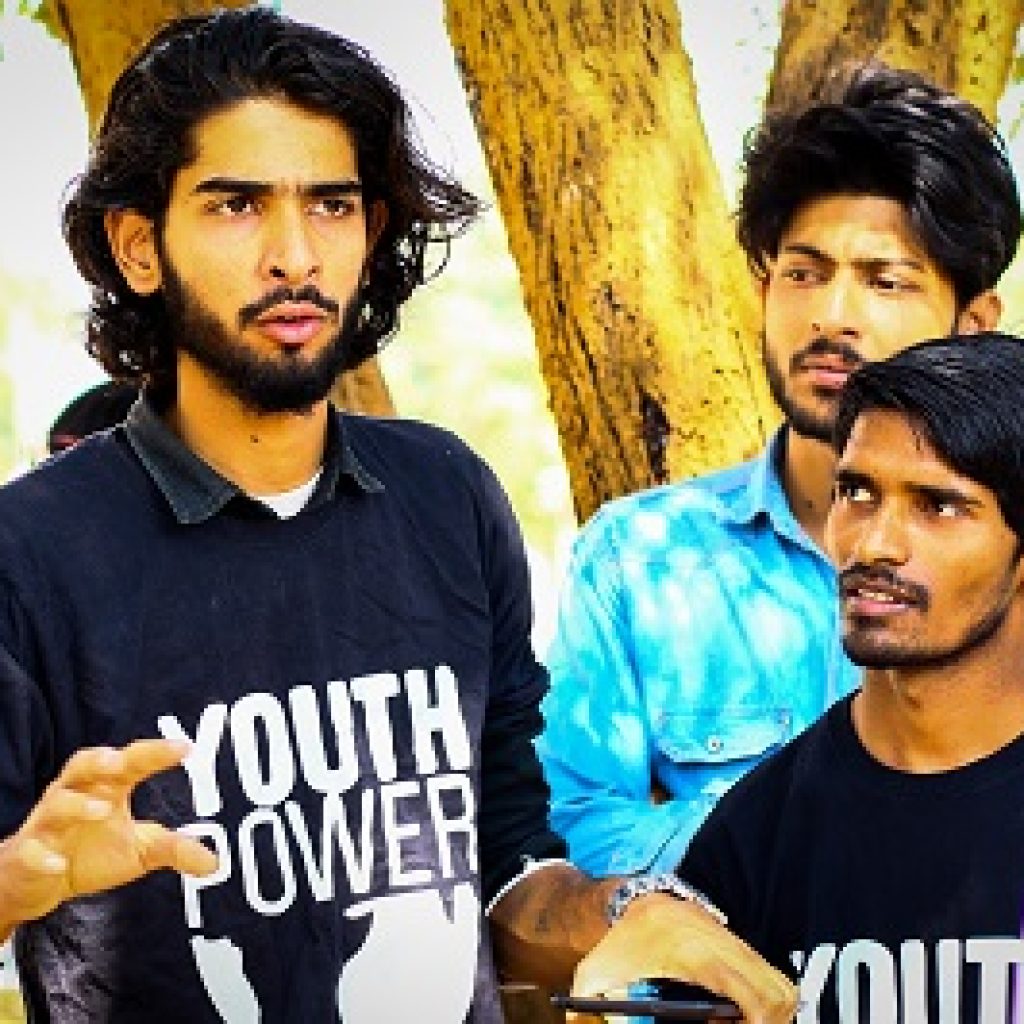
Inclusion is key to delivering on our human rights based approach. Actively including those who are potentially marginalised due to age, gender, ethnicity, race etc. will strengthen their rights and empower them to speak for themselves. Amnesty International stresses that inclusion is key to their human rights focus.
Who is potentially excluded?
Charter reporting shows that most organisations restrict their focus to gender and geographical representation when addressing diversity. Other criteria to look for should include sex, disability, race, pregnancy, marital status, health status, ethnic or social origin, colour, religion, belief, culture, dress, sexual orientation, access to (digital) information, language or birth. We also constantly need to be mindful of newly emerging reasons for exclusion.
What are the greatest challenges to meaningful inclusion?
While there is great commitment to inclusion on paper, most CSOs do not live up to their promises in practice. They conduct surveys and collect data on diversity, but fall short of meaningfully integrating people from marginalised groups in the design, implementation and evaluation of their work. Similarly, these groups are underrepresented in CSO governance bodies.
About the speakers:
Wambui Kimathi, Independent Review Panel Member and County Secretary, County Government of Nyeri (Kenya)
Diane Mulligan, Deputy Director of Advocacy and Alliances, CBM International, and Co-Chair of the International Disability and Development Consortium (IDDC) United Nations task group
45,000+ organizations operating in 180+ countries are using the Global Standard to guide their work and put people at the heart of their accountability measures. Now, the 10 cohosts are working to review and refresh the Standard to ensure its fit for the future too. If you work in or with civil society, and believe our accountability practice should center the people we work for and with, we want to hear from you.