


For three years, Ezgi Akarsu worked at Accountable Now as the Program Manager and Membership Coordinator. Currently, she is the Senior Advocacy Coordinator on Gender Equality at The ONE Campaign.
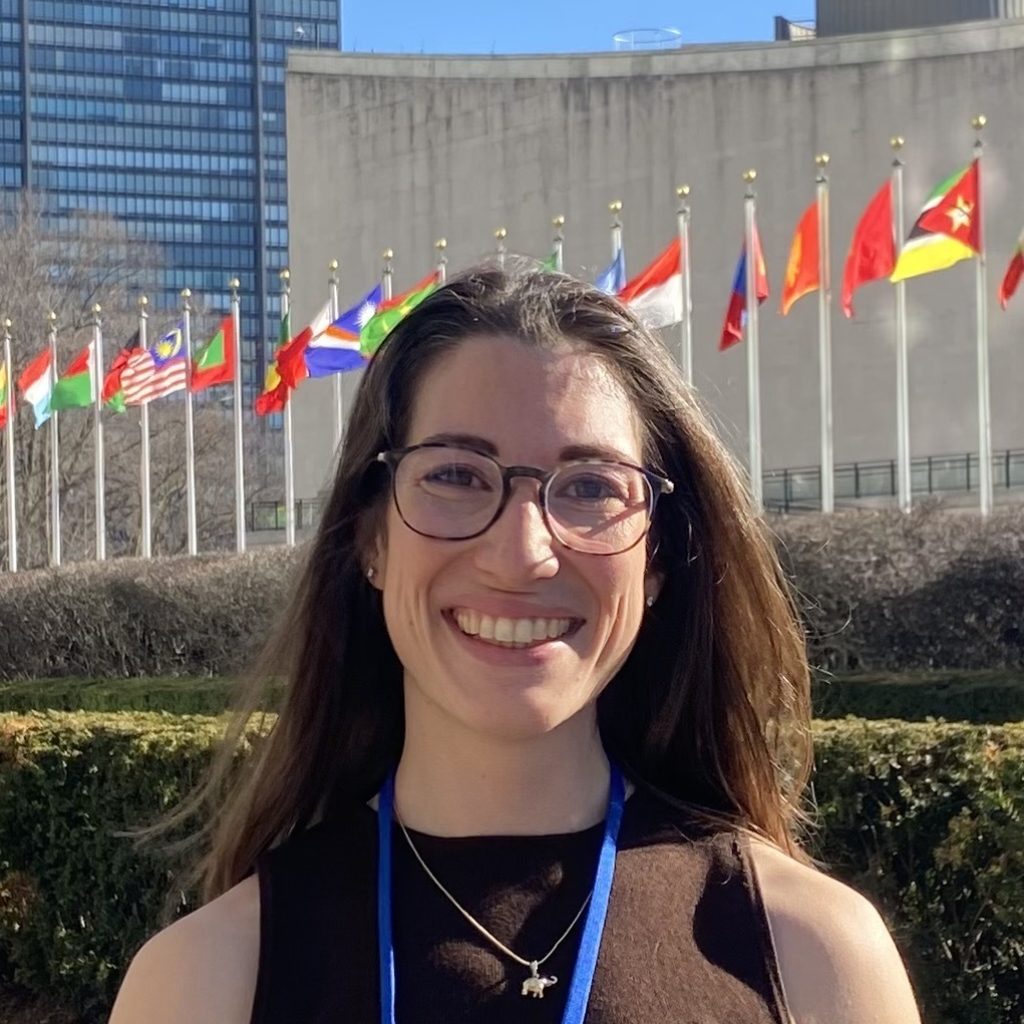
I joined AN as a staff member in 2017. It was my second job out of university, and a chance to work closely with a huge range of INGOs and look behind the scenes of their governance, programmes, and operations. Beyond the big names, I got to know smaller, lesser-known NGOs doing really innovative and impactful work.
During my time at AN, we facilitated a series of important exchanges within and between our member organisations on safeguarding and on feedback and complaints mechanisms. Responding to developments in the sector at the time, we encouraged members to review their existing policies, or create them where none existed. In small peer advice groups, organisations really opened up, sharing challenges, failures, and lessons learned with each other. I remember a real shift taking place across the sector, with more transparency about the feedback and complaints NGOs were receiving, and more willingness to share openly how they were responding and learning.
To me, accountability means centring the people and communities at the heart of an organisation’s work in everything we do. It’s about building respectful, trust-based partnerships where the needs and expertise of affected communities are prioritised, so that programmes and communications actually match the realities of the context an organisation is working in. It also means being honest about what doesn’t go as planned, and committing to continuous learning. At a time of growing scrutiny of civil society organisations, dynamic accountability is essential, both to build and maintain trust, and to communicate clearly about the impactful work NGOs are doing.
Two things stand out: organisation-wide coordination on accountability, and stronger support from funders.
On the NGO side, accountability work usually sits with one staff member – often on top of their main role. Strengthening it properly requires an organisation-wide approach, driven by leadership and with buy-in across teams. In practice, people are often already living out dynamic accountability principles in their day-to-day work; what’s missing is the space to name that connection explicitly, and to come together periodically as a team to ask what could be improved. Not as extra work, but as a way of strengthening the core work itself. That requires teams to have time – and sometimes additional capacity – and the freedom to test new approaches or adapt to changing realities.
This is exactly where funders come in: financing accountability and capacity-building work, being understanding when programmes don’t go as planned, and being more flexible about adjusting activities when circumstances change.
By bringing together such a wide range of civil society organisations to learn and strengthen their accountability practices together, AN managed to cut across the silos that tend to form along thematic or regional lines. By simplifying reporting requirements over the years, focusing on continuous learning, and cultivating an active community of practice, AN made accountability feel less tedious, less overwhelming, and more meaningful.
I think the next leap is moving accountability from something individual staff carry to something embedded in how organisations operate day to day; resourced and recognised as core infrastructure, not an add-on that depends on one person’s capacity. If that shift happens at scale, accountability stops being something organisations report on after the fact, and becomes part of how decisions get made in the first place.
Celebrating our 20 Years in Focus Anniversary Campaign, these reflections are part of our “20 Reflections From 20 Years” Series. This series gathers perspective from folks across AN’s two decades to reflect on Accountable Now then, now, and tomorrow.
Explore our 20 Years Library for other reflections, new resources, and upcoming events.
45,000+ organizations operating in 180+ countries are using the Global Standard to guide their work and put people at the heart of their accountability measures. Now, the 10 cohosts are working to review and refresh the Standard to ensure its fit for the future too. If you work in or with civil society, and believe our accountability practice should center the people we work for and with, we want to hear from you.
Get Involved