


The views, insights and opinions expressed below are of the author(s) and are not Accountable Now’s. We are proud to amplify a range of diverse voices that help shape, challenge and push our work as well as the sector as a whole to “do good better.”
Heatwaves are no longer an exceptional phenomenon; they are a growing global crisis. With our continued anthropogenic activities driving the surge in temperatures, the impacts of climate change are being felt in every corner of the Earth. Since the 1800s, anthropogenic activity has been the primary driver of climate change, mostly through the burning of fossil fuels such as coal, oil, and gas and in the last 50 years, the average temperature of each decade has only grown chronologically hotter. Compared to pre-industrial temperatures of 1.5°C and below, the Earth’s trajectory is climbing toward a 2°C global average temperature, with experts fearing it will reach 3°C or 4°C by the end of the century (Le Page, 2025). This trajectory is not only significant in its scale but also in its acceleration in outpacing the capacity of both ecosystems and governance systems to respond.
The World Health Organisation (WHO) highlighted that between 2000-2019 approximately 489,000 heat-related deaths occurred each year. The 2003 European heatwave resulted in over 60,000 deaths across the continent. But what these statistics don’t tell you is that these impacts are not felt equally. Through the growing evidence and recognition on the impacts of climate change, the role of gender has emerged as a significant axis of vulnerability.
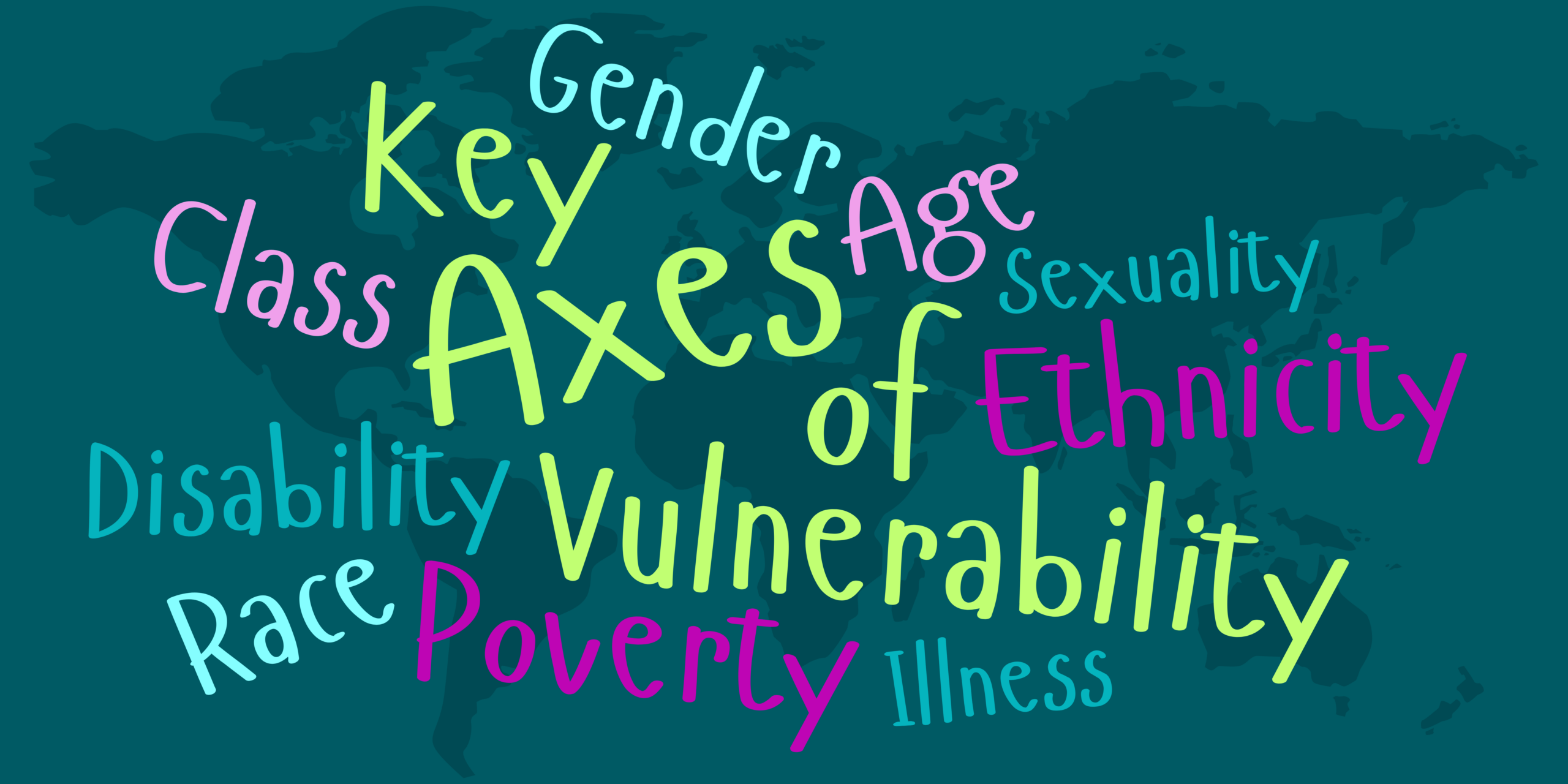
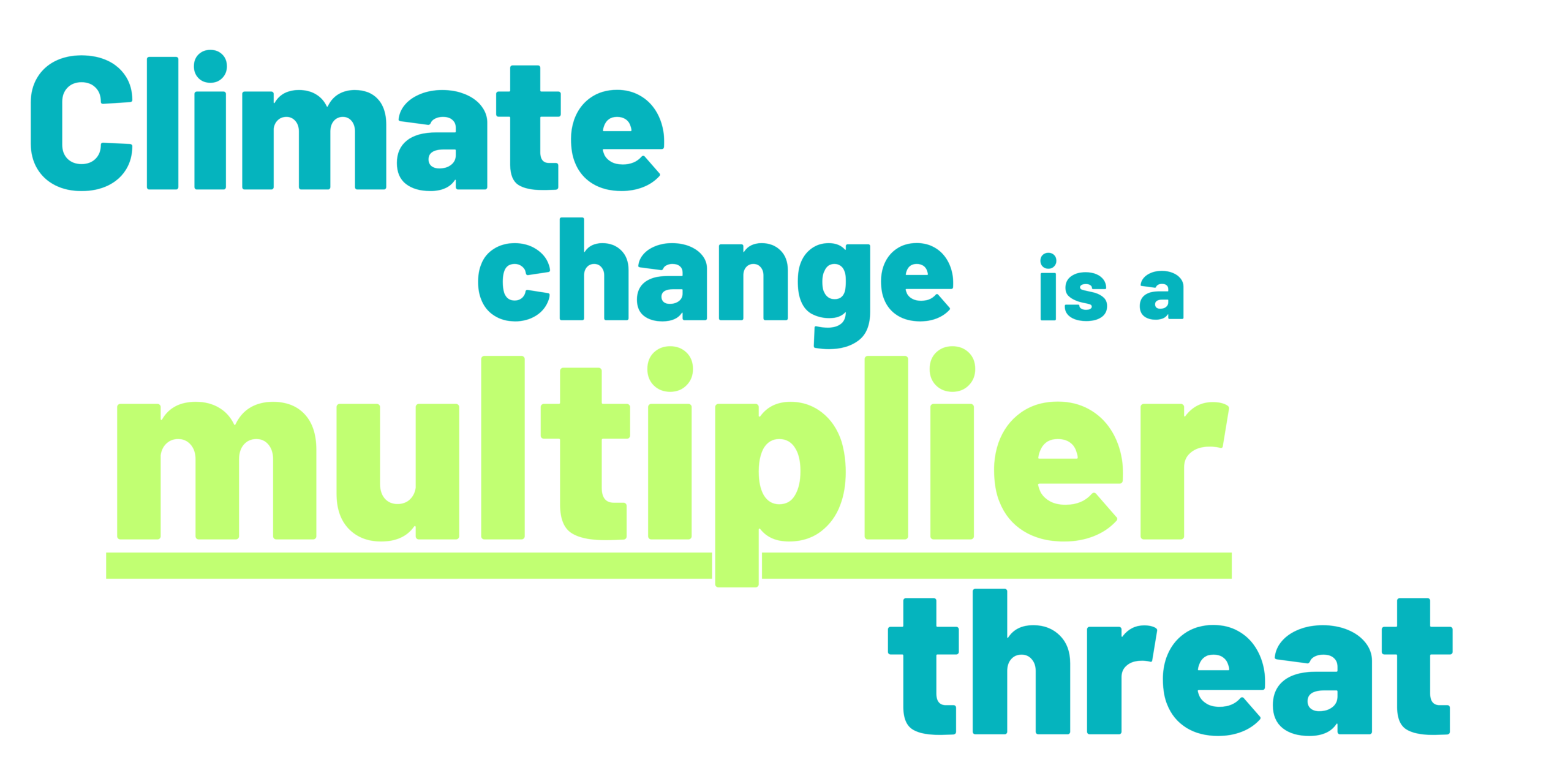
If you’re reading this, you probably already have a solid understanding of the pre-existing gender inequalities that women face around the globe up until today. But what you might not know is how climate change, and in this case extreme heat, is a threat multiplier that further intensifies these inequalities.
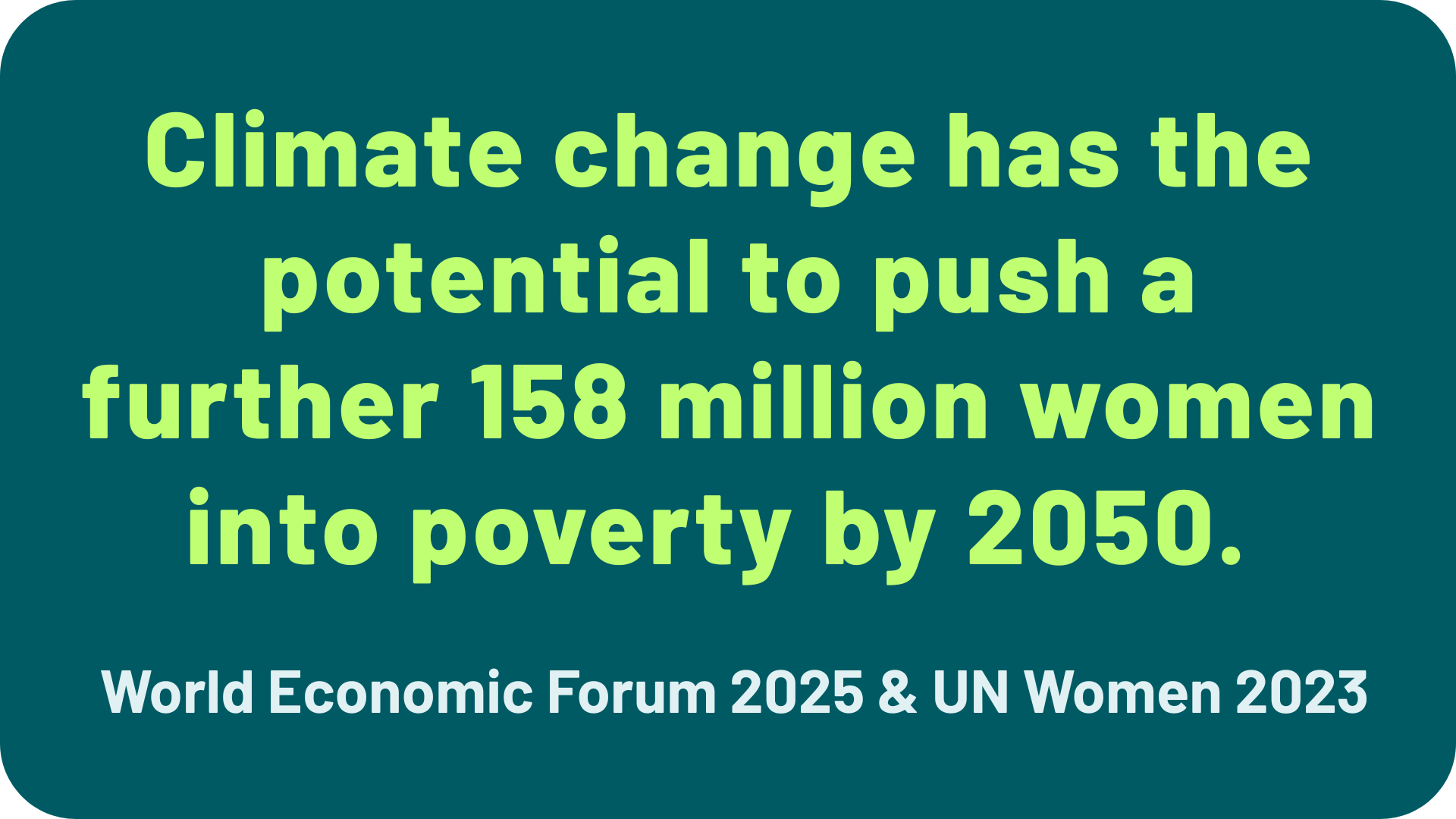
Women’s vulnerability stems from pre-existing social inequalities that are deeply rooted in our history, from patriarchal power structures and authoritarian regimes that have long excluded women from decision-making, to traditional gender roles that confine them to domestic labour and caregiving responsibilities. These roles increase heat exposure through outdoor labor, limited mobility, and reduced access to resources like healthcare, land ownership, and financial independence, all of which limit their capacity to adapt and recover from climate impacts. Evidence of these inequalities in action can be seen in the increase of women’s labour time, physical strain, and their risk of gender-based violence due to water scarcity (Rebecca Pearse), while scholars further highlight that an estimated 50% more women than men do not have access to any form of cooling globally (Yi-Tin Lin et al).
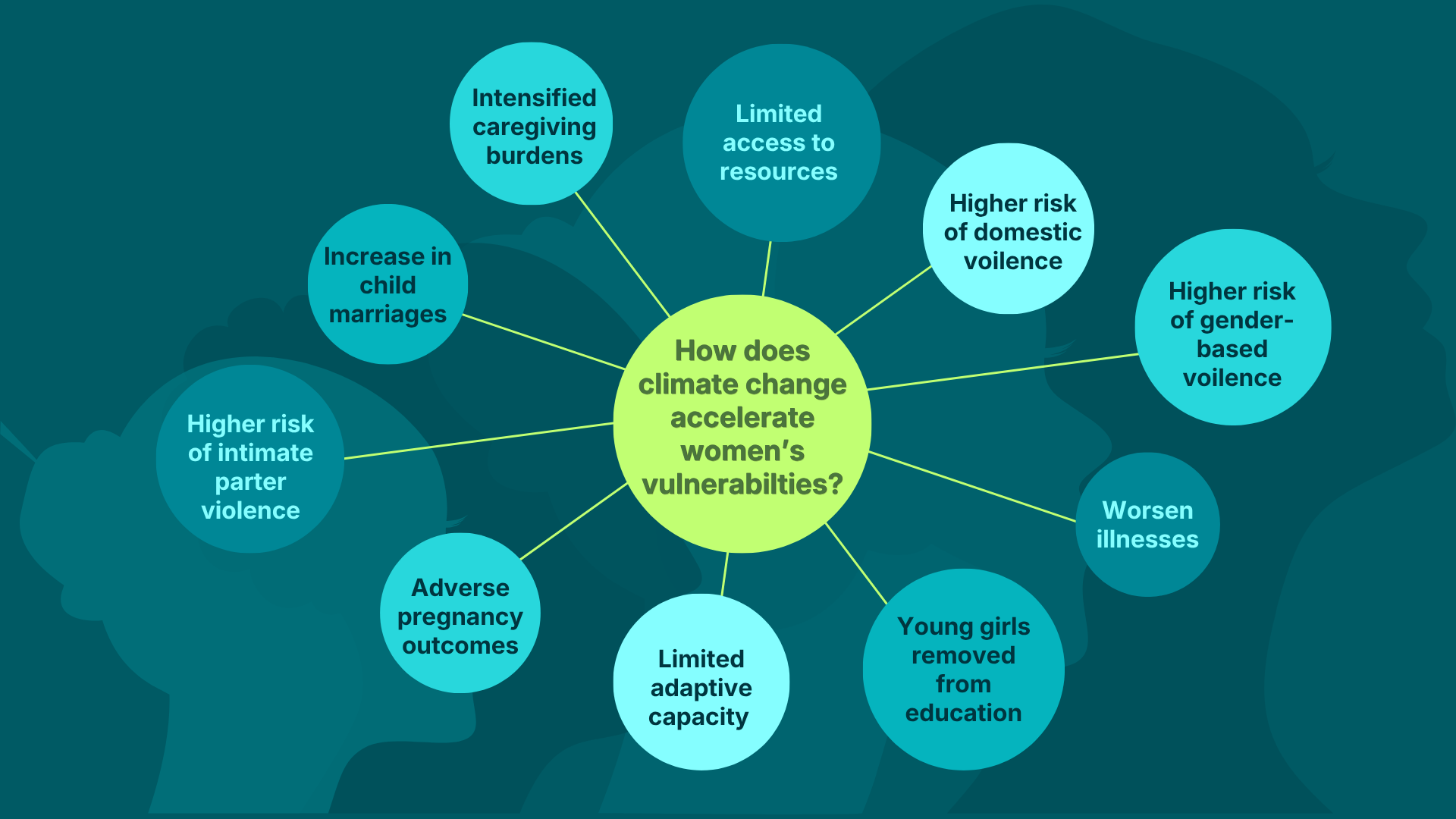
Climate change acts as a multiplier threat by disproportionately amplifying existing gender inequalities and vulnerabilities. By applying a feminist lens to the challenges of climate change, UN Women recognises that the drivers of climate change are also the drivers of gender inequality. The intersectionality between these two challenges is loud: climate change is not the root cause of these vulnerabilities; it is the accelerator. This intersectionality demonstrates how women are not merely vulnerable because of biological or physiological differences like thermoregulation or pregnancy, but that it is the structural inequalities that ultimately affect them the most. Pearse adds that “women’s greater vulnerability to climate risks should be understood not as intrinsic, or ‘natural’ characteristics of women, but rather as expressions of existing gender inequalities and power relations in societies across the world”.
When we look beyond biology to understand vulnerability, we open the door to everyone: women and those within the LGBTQ+ community. Using ‘gender’ rather than ‘sex’ stops us from lazily concluding that women are simply born more vulnerable. The World Health Organization states that ‘gender’ refers to the socially constructed characteristics of men, women, and other persons, which differ between societies and can change over time, while ‘sex’ refers purely to biological characteristics. This distinction matters: ‘sex’ would render a trans man’s uterus invisible, but ‘gender’ exposes the social and structural inequalities he faces while still accounting for his specific biological reality.”
Women’s compounded vulnerabilities accelerated by climate is not a scarcely investigated topic, but what is lacking is the meaningful operational content that seeks to reduce or mitigate these challenges in the first place. Not only are women disproportionately vulnerable to climate hazards and excluded from the very conversations designing the strategies meant to serve them, but they are also, paradoxically, among the most powerful agents of change in our fight against climate breakdown.
Those most vulnerable to the effects of climate change are rarely those who contribute to it. The most vulnerable groups are key to advancing to a greener and more sustainable world.
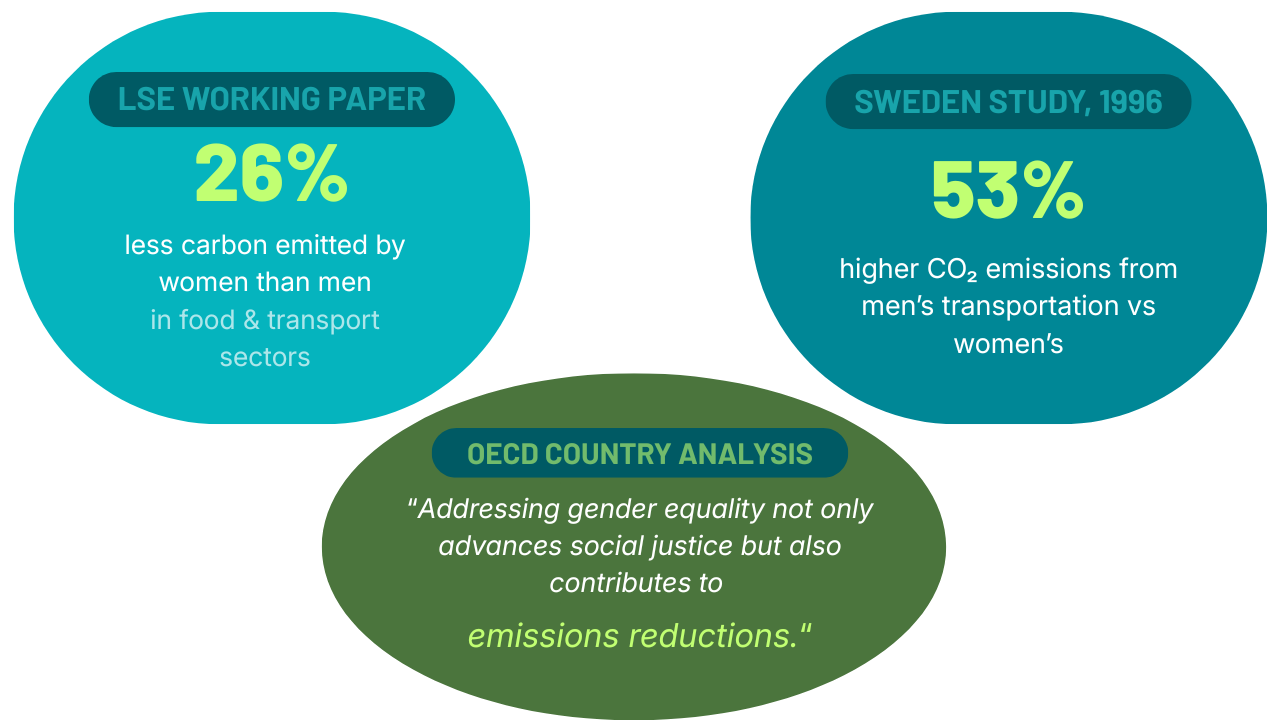
When vulnerable groups are meaningfully included in the design of climate strategies, the results are more effective. By including those most affected, we advance not only justice and equality, but also move toward a more sustainable and economical society. Where women hold power, states are greener. Where women have a voice, their vulnerabilities are thoroughly examined. Where women are included, we all reap the benefits – and this holds true for any vulnerable population.
The person most affected understands their vulnerabilities most deeply. When they are left out of the conversation, we risk never fully addressing the problem. So how do we ensure they are included?
To get straight to the point: we need proper use of Gender Mainstreaming and more sex-disaggregated data.
Gender Mainstreaming (GM) was designed to embed women across all policy domains as a global strategy to achieve gender equality, adopted at the UN Fourth World Conference on Women in Beijing in 1995. Yet scholar Seema Arora-Jonsson argues that GM risks depoliticising women by reducing them to a mere tick-box for policies to check off, with no meaningful operational content.
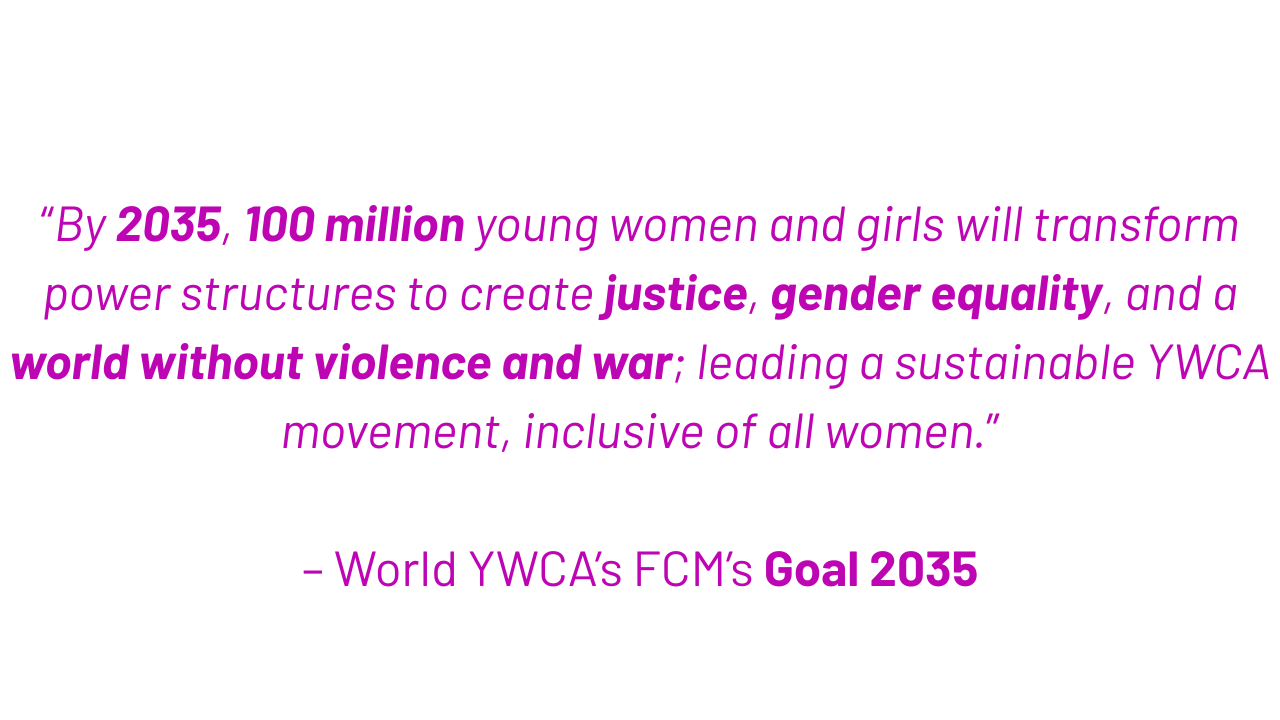
In other words, integrating a gendered perspective on paper is not enough. We must shift from including women on a purely technocratic level to evolving our understanding of why women find themselves in these circumstances in the first place. The World YWCA’s Feminist Consultation Methodology illustrates this distinction powerfully.
World YWCA’s Feminist Consultation Methodology focuses on centering the voices of young women, “anchored in a diverse, democratic, and decolonised approach”, shifting away from transitional research methodologies.
Organisations should implement this methodology to ensure that the women most affected by climate change are the ones shaping the response to it, because meaningful climate responses cannot be designed about a group that has been excluded from the room.
Read Accountable Now’s Dynamic Accountability Guidebook Case Study on this powerful resource.
Moreover, we need more sex-disaggregated data. Even the WHO statistic I referenced at the outset, 489,000 heat-related deaths annually, did not differentiate mortality rates between women and men. While the literature highlighting women as a vulnerable group to climate change is vast, the quantitative data to support it remains severely lacking. Without sex-disaggregated data, the full scale of women’s vulnerability remains invisible in climate hazard responses. And what isn’t measured, isn’t addressed.
As civil society organisations, we sit in a unique position: we exist to serve those most vulnerable, and yet how many of us have truly centred their voices in our responses to climate change? This is not a light topic, and it shouldn’t be. But guilt without direction changes nothing. For too long, progress has been measured in technological advancement while the people and planet sustaining that progress have been left behind. The opportunity now is to redefine what progress looks like, with those most affected by climate change not as an afterthought, but as the architects of the response.
If we can champion the voices of those most affected and oppressed, we can push ourselves to evolve, but with nature and those most vulnerable at the heart of the operation.
At Accountable Now, the emphasis on intersectionality is clear within our 12 Commitments: A Healthy Planet cannot go without Justice and Equality for all. It cannot go without Women’s Rights and Gender Equality. It cannot go without Lasting Positive Change. It cannot go without Strong Relationships and Open Organisations. Nor can it go without Responsive Decision-Making or Responsible Leadership. In order to fulfil one goal, we must fulfil the others that are so deeply embedded and intertwined with one another. As AN’s Head of Accountability Practices and Reporting, Bao Han Tran Le, put it: “the planet is a silent stakeholder in our work.”
These commitments remind us that no single goal exists in isolation. To protect the planet, we must protect its people. And to protect its people, we must start with those who have been impacted by climate change the most. So how can we, as civil society organisations, use our unique position to protect both the planet and those most vulnerable to its forces?
Accountable Now is committed to promoting a more just, equitable & accountable world. Do you have a story to share that demonstrates how organizations can strengthen their Dynamic Accountability practices?
45,000+ organizations operating in 180+ countries are using the Global Standard to guide their work and put people at the heart of their accountability measures. Now, the 10 cohosts are working to review and refresh the Standard to ensure its fit for the future too. If you work in or with civil society, and believe our accountability practice should center the people we work for and with, we want to hear from you.
Get Involved