


Mihir R. Bhatt is director of the
All India Disaster Mitigation Institute (AIDMI).
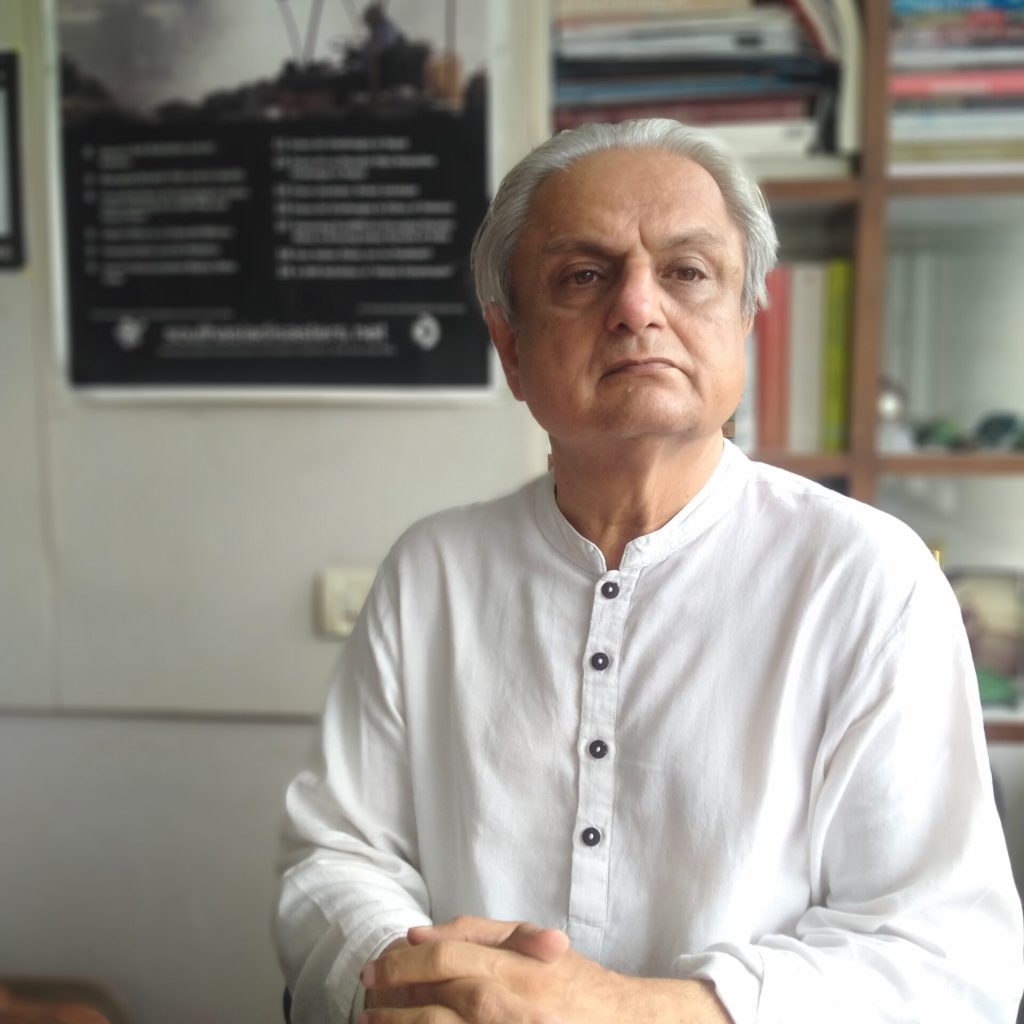
My connection with Accountable Now started from a concern that has stayed with me throughout my work: civil society must remain answerable to the people it serves.
In my work, I have often met people at very difficult moments—after a disaster, during displacement, in the middle of livelihood loss, or while facing climate risks such as extreme heat. Some in India, some in South Asia, some in Asia, also Africa. At such times, people do not judge an organisation only by what it delivers. They also judge how it listens, how it explains, how it behaves, and whether it respects their ideas, efforts and dignity. Tsunami affected people in 2005 in South India, Sri Lanka, Maldives repeatedly ranked listening and appreciation as a key to accountability path.
That is what drew me to Accountable Now. It gave space to ask honest questions about ourselves as organisations. Are we listening enough? Are we open to correction? Are we transparent with people? Are we learning from those most affected? Are we joining beyond donors and projects?
I became involved because I felt accountability should not remain a reporting to donor requirement. It should be part of the character of an organization and a key element of humanitarian actors. Accountable Now helped keep that question alive.
I saw Accountable Now making a difference by helping organisations pause and reflect, observe themselves, then work, differently.
Civil society work is often full of urgency. There is always a crisis to respond to, a report to submit, a meeting to attend, or a community need to address. In that speed, it is easy to forget to ask whether we are working in the right way. We may also become self-righteous about us.
Accountable Now encouraged organisations to look at themselves more honestly. With honesty comes humility. It asked simple but important questions: Are people able to question us? Are our systems safe? Are we inclusive? What we do with complaints? Are we transparent? Are we willing to change when communities tell us something is not working?
For me, its biggest contribution was not only in reviewing reports. It helped create a point of a culture where accountability was seen as learning, reflections, and not only compliance. That was important.
To me, accountability means being answerable to people affected by our work.
It means that people have the right to know why decisions are made, how resources are used, who benefits, and what happens when something goes wrong. It also means accepting that organisations can make mistakes. What matters is whether we listen, admit, correct, and improve what we do, how we do, and with whom we do our work.
Celebrating our 20 Years in Focus Anniversary Campaign, these reflections are part of our “20 Reflections From 20 Years” Series. This series gathers perspective from folks across AN’s two decades to reflect on Accountable Now then, now, and tomorrow.
Explore our 20 Years Library for other reflections, new resources, and upcoming events.
45,000+ organizations operating in 180+ countries are using the Global Standard to guide their work and put people at the heart of their accountability measures. Now, the 10 cohosts are working to review and refresh the Standard to ensure its fit for the future too. If you work in or with civil society, and believe our accountability practice should center the people we work for and with, we want to hear from you.
Get Involved